Building Tips for Beginners: Better Minecraft Builds

Everyone starts out building plain box houses, and there is nothing wrong with that. But a few simple principles can transform your builds from blocky cubes into places that feel real and inviting. Here are practical building tips for beginners that you can use in your very next session.
Why your first builds look flat

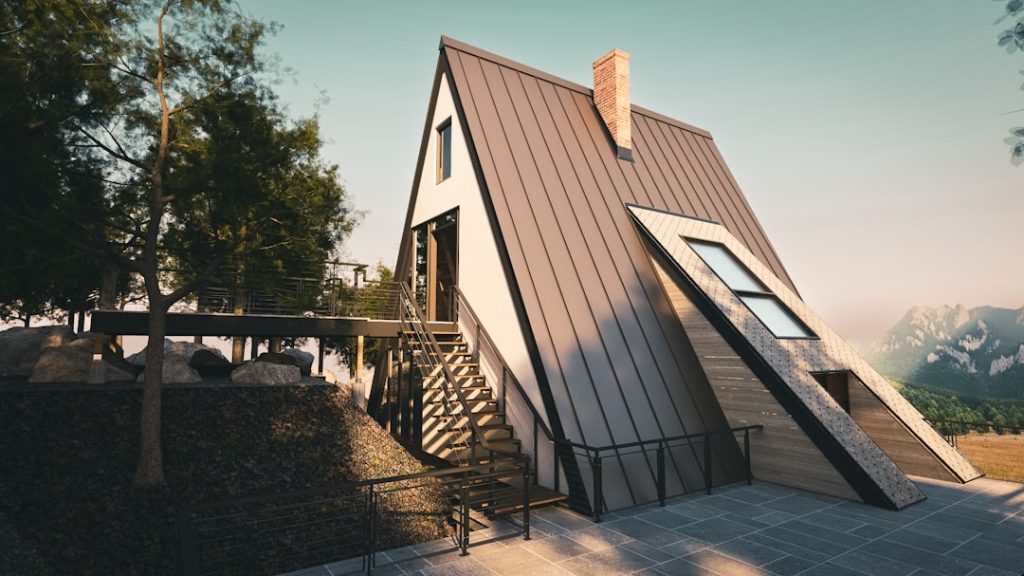
If your early houses feel a bit lifeless, you are in good company — almost everyone’s do. The usual reasons are simple: too few materials, perfectly flat walls, no depth, and a roof that sits flush with the walls. The good news is that each of these has an easy fix, and fixing even one makes a noticeable difference.
Tip 1: Mix your materials
A wall made of a single block looks artificial because real buildings rarely are. Combine two or three complementary materials — for example a main wall block, a contrasting frame, and an accent — and your build instantly gains character. A common beginner habit is using only one type of wood or one type of stone; breaking that habit is the single fastest upgrade you can make.
A useful rule of thumb is to pick a small palette and stick to it across the whole build, so everything feels like it belongs together.
Tip 2: Add depth to your walls
Flat walls are the giveaway of a beginner build. Push some sections in and pull others out by a block, add window frames that stick out slightly, or set a doorway back into a small recess. This variation catches light and shadow and makes a wall read as a real surface rather than a sheet. You only need to break the flatness a little for the effect to land.
Tip 3: Give your roof some life
Roofs make or break a house. Instead of a flat lid, try sloping the roof using stairs and slabs, and let it overhang the walls slightly so it casts a shadow. Adding a different material for the roof from the walls also helps it stand out. Even a simple pitched roof looks dramatically better than a flat one.
Tip 4: Think about proportions
Beginner houses are often too tall and too narrow because players build walls a uniform height without thinking about the space inside. Step back and look at your build from a distance. If it looks cramped, widen it; if it looks squat, raise it a little. Good proportions are felt more than measured — trust your eye, and compare with buildings you find pleasing.
Tip 5: Use the space around your build
A beautiful house dropped onto bare flat ground still looks unfinished. The surroundings matter as much as the structure. A path leading to the door, a few trees, some flowers, a fence line, or a small garden all ground your build in its world. Landscaping is one of the most underrated skills in Minecraft, and it costs almost nothing to practise.
Tip 6: Light it properly
Lighting serves two purposes: it stops hostile mobs spawning inside and around your build, and it sets the mood. Rather than dotting torches everywhere, try to hide your light sources — under carpets, behind blocks, or inside lanterns and fixtures — so the glow feels natural. Thoughtful lighting makes an interior feel cosy instead of clinical.
Tip 7: Furnish the inside
An empty interior breaks the illusion the moment you step indoors. You do not need official furniture; players create convincing chairs, tables, shelves and counters by combining everyday blocks like stairs, slabs, signs and trapdoors. Filling a room with a few of these details makes the whole build feel lived in.
A simple practice routine
Improvement comes from repetition, so give yourself a low-pressure way to practise.
- Copy, then adapt. Find a build you admire, recreate part of it, and then change something. You learn the underlying ideas without simply tracing.
- Build small and often. A series of small, finished houses teaches you more than one giant project you never complete.
- Use creative mode to experiment. Trying ideas without grinding for materials lets you fail fast and learn quickly.
- Keep a palette notebook. When a combination of blocks looks good, remember it for next time.
Where to go next
Once your buildings start looking good, you may want to bring them to life with mechanisms — automatic doors, lighting and farms. Our guide to redstone basics for beginners is a friendly place to start. And if you want to show your creations to others, a multiplayer server is the perfect stage.
Frequently asked questions
What is the easiest way to improve my builds?
Mixing materials instead of using a single block type. It takes no extra skill and immediately makes a build look more considered and realistic.
Do I need creative mode to build well?
No, but it helps when you are learning. Creative mode lets you experiment freely; once you understand the principles, they work just as well in survival.
How do I make furniture without a furniture mod?
By combining ordinary blocks creatively. Stairs become chairs and sofas, slabs become tables and counters, and trapdoors and signs become shelves and details. A little imagination goes a long way.
Why do hostile mobs keep spawning in my house?
Dark spots. Hostile mobs spawn in low light, so make sure every part of your interior and the area immediately around it is well lit.
How big should my first house be?
Smaller than you think. A compact, well-detailed house looks far better than a large empty one, and you are much more likely to actually finish it.
Ready to start your world?
Browse the guides, or tell us your server project and we will point you in the right direction.